How to Achieve the Perfect Hydrangea Bloom Cycle
Posted on 19/08/2025
How to Achieve the Perfect Hydrangea Bloom Cycle
Hydrangeas are adored worldwide for their bountiful clusters of vibrant flowers. However, achieving the perfect hydrangea bloom cycle is not always straightforward. Many gardeners struggle with inconsistent or lackluster flowers. If you're seeking a lush, vigorous display of hydrangea blossoms season after season, this comprehensive guide will empower you with expert knowledge, creative landscaping tips, and science-backed techniques to optimize flowering for all hydrangea varieties.
Understanding Hydrangea Types: The Foundation for Blooming Success
There are several hydrangea species commonly cultivated for ornamental purposes:
- Hydrangea macrophylla (Bigleaf or Mophead Hydrangea): Known for large, round blooms; includes lacecaps.
- Hydrangea paniculata (Panicle Hydrangea): Cone-shaped, often white or pink-tinted flowers.
- Hydrangea quercifolia (Oakleaf Hydrangea): Distinctive oak-shaped leaves and elongated blooms.
- Hydrangea arborescens (Smooth Hydrangea): Rounded clusters, often found in 'Annabelle' and 'Incrediball' selections.
- Climbing Hydrangea (Hydrangea petiolaris): Vigorous vines with creamy-white lacecap flowers.
Knowing which hydrangea variety you have is critical, as blooming times, pruning strategies, and nutritional requirements differ substantially. For example, bigleaf hydrangeas bloom on old wood, while paniculata and arborescens varieties bloom on new wood. This foundational identification will dictate your entire care approach.

Key Components of the Perfect Hydrangea Bloom Cycle
Optimal Planting Location
The perfect hydrangea bloom starts with choosing the right spot. The ideal environment for most hydrangeas includes:
- Morning Sun, Afternoon Shade: Especially for H. macrophylla and H. quercifolia; sunscald can zap blooms.
- Well-Draining, Moist Soil: Hydrangeas love damp roots--but not soggy feet--to encourage healthy flower clusters.
- Protection from Wind: Buffeted flowers are more likely to droop and fail to reach their peak beauty.
Tip: Amend heavy clay soils with organic matter, such as compost or aged manure, to improve drainage and moisture retention. Sandy soils may need added peat moss for water retention.
Soil pH - The Secret to Colorful Mopheads and Lacecaps
For hydrangea macrophylla, soil pH doesn't merely affect plant health--it determines flower color. This unique trait is a delight for creative gardeners seeking a customizable landscape.
- Acidic Soil (pH below 6) yields blue blooms
- Neutral to alkaline soil (pH 6.5+) yields pink or purple blooms
To achieve the perfect bloom cycle and control color:
- Add garden sulfur or aluminum sulfate for blue flowers
- Add lime for pink flowers
Soil amendments take time to alter pH--test annually with a soil test kit and adjust increments slowly. Never over-apply amendments as rapid swings can stunt growth or damage roots.
Watering Hydrangeas for Strong Blooms
Your hydrangea bloom cycle can easily be derailed by poor watering habits. Both under- and over-watering stress the plant, reducing the quantity and quality of blooms.
- Hydrangeas require 1 inch of water per week (10-14 gallons per mature plant)
- Increase watering during heat waves or dry spells
- Use mulch to conserve moisture and suppress weeds
Warning: Drip irrigation is best; overhead watering can increase disease risk and cause petals to spot or brown.
Fertilization for Maximum Blooming Potential
Balanced nutrition is another cornerstone for consistent hydrangea blooms. Use a well-formulated, slow-release fertilizer to prevent fast spikes in soil nutrients, which can shock the plant. Apply in early spring, right as leaves unfurl, and again in mid-summer if blooms seem slow or pale.
- Too much nitrogen causes leafy growth at the expense of flowers; choose a balanced or bloom-boosting fertilizer (like 10-30-10 for macrophylla or paniculata species).
- Compost tea or fish emulsion can provide micronutrients for mid-season boosts.
Always follow label instructions to prevent fertilizer burn. If your soil is rich and fertile, you may not need supplemental feeding every year.
Pruning Techniques for the Perfect Hydrangea Bloom Cycle
Proper pruning is one of the most misunderstood yet essential steps for robust hydrangea flowering. The technique and timing depend entirely on your hydrangea variety:
Bigleaf and Oakleaf Hydrangeas (Bloom on Old Wood)
- Prune Immediately After Flowering (late summer): This allows new buds to set for the following year.
- Remove Dead, Weak, or Crossing Branches
- Avoid Hard Pruning in Spring: You risk removing the next season's flower buds.
Panicle and Smooth Hydrangeas (Bloom on New Wood)
- Prune in Late Winter or Early Spring before new growth emerges.
- Cut Back by One-Third for dense growth and profuse summer blooms.
Climbing Hydrangeas rarely require pruning beyond occasional shaping or removing dead wood. Always use sharp, clean shears to minimize damage and disease.
Seasonal Care Routine: Supporting the Bloom Cycle Year-Round
Spring
- Remove winter mulch gradually to warm soil.
- Fertilize as new leaves appear; adjust soil pH if desired.
- Inspect for winter damage and prune as needed by variety.
Summer
- Monitor soil moisture closely--hydration is vital during bloom.
- Apply mulch if not already done to conserve water.
- Deadhead spent blooms on repeat-blooming varieties.
Fall
- Reduce fertilization; allow plants to harden off.
- Rake up fallen leaves to prevent disease.
- Check for pests (especially scale and spider mites).
Winter
- For varieties that bloom on old wood, protect buds with burlap or frost cloth in cold climates.
- Water occasionally if winter is dry, but avoid soggy conditions.
Addressing Common Hydrangea Bloom Problems
Even the most attentive gardener may encounter frustrations in their hydrangea flowering cycle. Here's how to troubleshoot poor blooming:
- No Blooms?
- Improper pruning may have removed flower buds (applies to old-wood types)
- Winter bud kill--protection may be necessary in cold regions
- Excess nitrogen fertilizer produces leaves, not flowers
- Small or Sparse Blooms?
- Poor sunlight--move to a brighter (but not harsh) location
- Root competition from trees or shrubs--transplant if needed
- Thinning out oldest stems may increase air and light penetration
- Drooping or Wilted Blooms?
- Underwatering--check soil moisture regularly
- Transplant shock--keep soil consistently moist for new plants
Remember: Patience is key. Some hydrangeas, especially new transplants or those recovering from harsh winters, may skip a bloom year as they re-establish.
Encouraging Repeat or Extended Bloom Cycles
Modern breeding has introduced several "reblooming hydrangeas" (such as Endless Summer, BloomStruck, and Let's Dance series) that flower on both old and new wood, giving gardeners an extended hydrangea bloom cycle. To maximize repeat blooming:
- Deadhead faded flowers promptly during the growing season
- Maintain even moisture and steady feeding (do not overfeed!)
- Prune lightly, focusing on removing spent flowers and weak stems
With proper care, some rebloomers can produce waves of color from late spring through autumn!
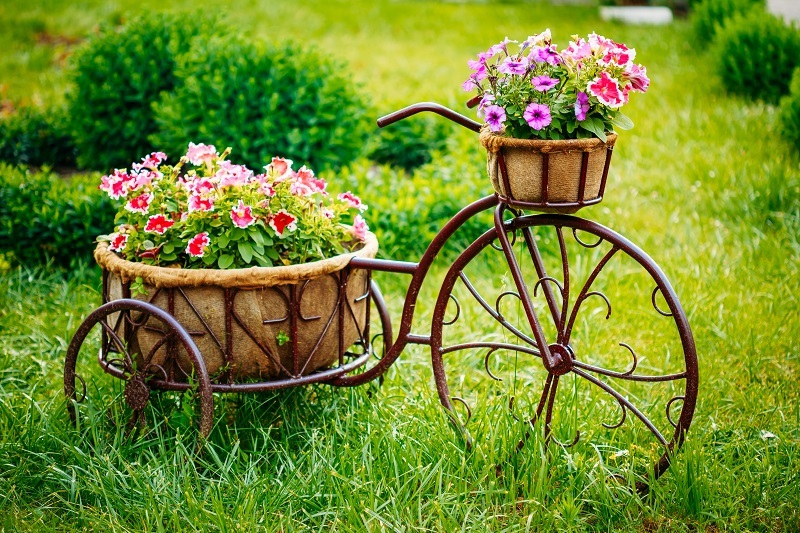
Hydrangeas in Landscape Design: Making the Most of the Bloom Cycle
To truly showcase the perfect hydrangea bloom cycle, position hydrangeas:
- As specimen plants for focal interest in your garden
- In mass plantings along woodland edges or foundations
- Mixed with shade-loving perennials like hostas, ferns, and astilbe
- With contrasting evergreens for year-round beauty
TIP: Plan for variety in bloom times--combine early paniculatas with midseason macrophyllas, and late-blooming oakleafs for continuous interest.
Container Hydrangeas
Many hydrangeas thrive in large pots. Use premium potting soil, maintain consistent moisture, and fertilize as described above. Move containers to sheltered spots in winter; overly cold roots may result in weak blooms or bud loss.
Conclusion: Blooming Mastery for Every Gardener
By understanding the unique needs of your hydrangea species, providing optimal soil, sunlight, water, and nutrition, and tailoring your pruning and protection strategies, you can achieve the perfect hydrangea bloom cycle every year. These magnificent shrubs repay your care with extravagant, months-long color displays that brighten your landscape and lift your spirits. Whether you're a beginner or an experienced green thumb, utilizing these hydrangea bloom optimization strategies will elevate your garden to showpiece status. Embrace the challenge and joy of growing hydrangeas--and watch your efforts blossom in spectacular fashion!
Ready for your best hydrangea blooms yet? Start implementing these techniques this year and become the envy of your neighborhood!
```Latest Posts
How to Achieve the Perfect Hydrangea Bloom Cycle
Intriguing Birthday Blooms to Delight
Which Floral Beauty Defines Your Personal Aura?